DUMPSITE TO DIGNITY
Stage: Funding
A participant-centred pathway designed with people surviving through informal waste recovery to move toward safer work, stronger incomes, skills, enterprise and greater economic dignity.
How we can work together
Partners may sponsor the complete project or agree on a defined phase after reviewing the scope, budget, timeline and reporting plan. Ameliorate Missions will serve as the local implementing partner: coordinating consultations and required approvals, recruitment, training, execution, safeguarding, financial records and progress reports. Responsibilities, payment arrangements and any restrictions will be set out in a written agreement before work begins.
For projects at a planning stage, activities and targets below are proposals. We will publish verified field updates as work progresses.
Contact us to discuss sponsoring this project →Why this project exists
To co-design and test a livelihood pathway that helps participating informal waste workers improve occupational safety, earning potential, skills, market access and progression toward more stable livelihoods
The pilot design will include participant consultation, baseline assessment, waste-value-chain mapping, occupational-safety assessment and buyer research. Potential interventions include PPE, organised collection and sorting, technical training, aggregation, savings, equipment access, buyer contracts, entrepreneurship, apprenticeships and transition pathways into other employment where participants choose them.
How partnership helps
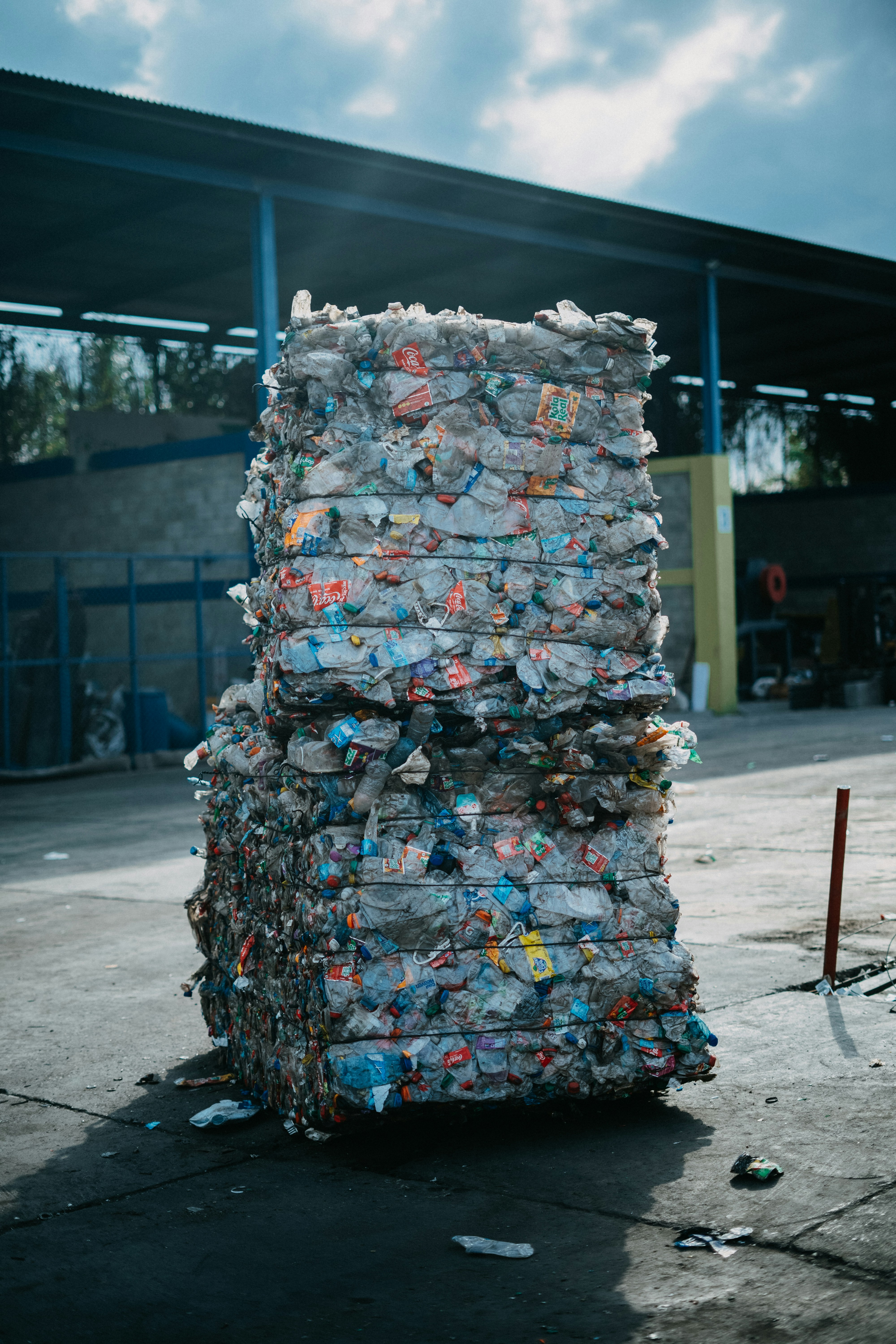
Informal waste recovery provides survival income for many people while exposing workers to hazardous environments, unstable pricing, social exclusion and limited opportunities to move further up the recycling value chain.
Ameliorate Missions will begin by listening to the people already doing this work. The project will not assume that outsiders know what participants need.
What we intend to achieve
Pilot indicators will examine safety, income stability, skills gained, value captured from recovered materials, savings, enterprise/employment transitions and participant-defined measures of improvement. No impact claims will be made before baseline and implementation data exist.